
UNESCO Adds 3 Indian Sites: Major Win!
UNESCO Tentative List India has drawn attention after three Indian heritage sites were highlighted for their geological, natural and cultural significance. The sites are the Karst-Mud-Volcano Complex of Baratang, Andaman Subduction Volcanoes, and the Sirpur Cultural and Archaeological Landscape. Their inclusion highlights the diversity of India’s heritage, from unusual geological formations to historic archaeological remains.
India has a wide range of natural landscapes and cultural landmarks. The UNESCO Tentative List India process helps identify places that a country may consider nominating for the UNESCO World Heritage List in the future. However, being included on the Tentative List does not mean that a site has already received World Heritage status.
Key Highlights
- Three Indian sites are highlighted for their heritage significance.
- Two sites represent important geological features associated with the Andaman region.
- The Sirpur landscape represents India’s archaeological and cultural heritage.
- Tentative List inclusion is a step towards a possible future World Heritage nomination.
1. Karst-Mud-Volcano Complex of Baratang
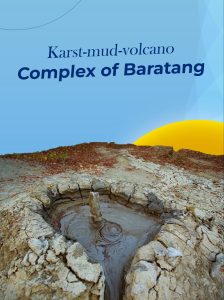
The Karst-Mud-Volcano Complex of Baratang is associated with Baratang Island in the Andaman and Nicobar Islands. The region is known for geological features that make it significant for understanding the natural processes that shape the Earth’s surface.
Karst landscapes generally develop when soluble rocks, such as limestone, are dissolved by water over long periods. This process can create distinctive landforms, including caves, depressions and other formations. Mud volcanoes, meanwhile, involve the release of mud, water and gases through openings in the ground. They are different from conventional volcanoes that erupt molten rock.
The combination of geological features makes the Baratang area interesting from a scientific and conservation perspective. Its heritage value can help draw attention to geological research, environmental awareness and the protection of sensitive natural landscapes.
2. Andaman Subduction Volcanoes
The Andaman Subduction Volcanoes represent another geological feature associated with the Andaman region. The area’s geological setting is linked to the movement and interaction of tectonic plates, which contribute to the formation of volcanic and other geological features.
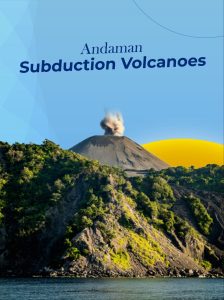
Subduction occurs when one tectonic plate moves beneath another. This process can contribute to earthquakes, volcanic activity and the formation of island arcs in certain regions. Studying these processes helps scientists understand how the Earth’s crust changes over time.
Recognition of such geological landscapes can encourage further research and improve public understanding of the natural forces that shape islands and coastlines. It can also highlight the importance of protecting geological sites from damage and inappropriate development.
Alongside the Baratang site, the Andaman Subduction Volcanoes highlight the geological diversity of India’s island territories. Together, these sites demonstrate that heritage conservation is not limited to historic buildings and monuments; it can also include places that preserve evidence of Earth’s geological history.
3. Sirpur Cultural and Archaeological Landscape
The Sirpur Cultural and Archaeological Landscape represents the cultural and historical side of this heritage development. Sirpur, located in Chhattisgarh, is known for its archaeological remains and historic religious and cultural heritage.
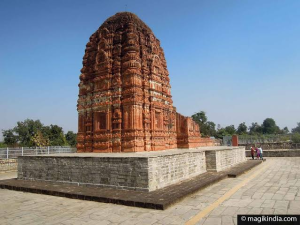
Archaeological landscapes can provide evidence of settlement patterns, architecture, religious traditions, craftsmanship and cultural exchange. Historic remains help researchers understand how communities lived, worshipped, built structures and interacted with neighbouring regions in earlier periods.
Sirpur’s archaeological significance makes the conservation of its historic remains important for future generations. Careful documentation, research and responsible tourism can help improve public awareness while supporting the preservation of the site’s cultural character.
Its inclusion among the sites highlighted in the UNESCO Tentative List India discussion also draws attention to the need to preserve India’s archaeological heritage. Protecting such landscapes can help ensure that historical evidence remains available for education, research and cultural understanding.
UNESCO Tentative List India: Why It Matters
The UNESCO Tentative List is an important part of the World Heritage nomination process. Countries identify properties that they may consider nominating for inscription on the World Heritage List. A property generally needs to be included on the relevant Tentative List before a formal nomination can proceed.
The UNESCO Tentative List India process can bring attention to places that deserve further research, conservation planning and public awareness. It may also encourage authorities and local communities to work together to protect sites of natural and cultural importance.
However, Tentative List inclusion should not be confused with final recognition as a UNESCO World Heritage Site. A formal nomination requires further documentation and assessment under UNESCO’s World Heritage procedures and criteria.
Potential Benefits of Heritage Recognition
- Conservation: Greater attention to the protection of natural and archaeological sites.
- Research: Opportunities to improve geological studies and archaeological documentation.
- Public awareness: More people may learn about India’s natural and cultural diversity.
- Responsible tourism: Appropriate planning may support tourism while protecting sensitive locations.
- Community involvement: Local communities can play an important role in preserving heritage.
UNESCO Tentative List India: What Happens Next?
Inclusion on a Tentative List is not the final stage of the World Heritage process. Any future nomination depends on the relevant country’s decisions, the preparation of detailed documentation and compliance with UNESCO’s requirements.
For sites with geological importance, documentation may focus on scientific value, geological features, boundaries and conservation needs. For archaeological landscapes, research may examine historic remains, cultural significance, authenticity and long-term management.
Effective conservation also requires cooperation among government authorities, researchers, heritage professionals and local communities. Visitor management and environmental protection can be important wherever increased attention creates additional pressure on a site.
The three sites discussed here represent different aspects of India’s heritage. The Baratang complex and Andaman Subduction Volcanoes highlight geological processes, while Sirpur reflects archaeological and cultural history. Their recognition on a Tentative List can be an opportunity to strengthen documentation and conservation efforts, although any future World Heritage inscription would require the appropriate assessment process.
Watch the Related Video
Watch the video below for more context related to the topic.
Official Sources and Related News
Readers can consult the following sources to learn more about UNESCO’s nomination process and the heritage sites discussed in this article.
- UNESCO: India’s Tentative List
- UNESCO World Heritage Convention
- UNESCO World Heritage Selection Criteria
- Archaeological Survey of India (ASI)
- Business Standard: Report on the three sites
Related News from DeshPrism
- Odisha Janasunani: 95% Success, 5% Questioned
- Trump’s 100% Tariff on India
- Read More News on DeshPrism.com
Conclusion
The three sites associated with the UNESCO Tentative List India discussion showcase the country’s varied heritage, from geological formations in the Andaman region to the archaeological landscape of Sirpur. Their inclusion can support greater awareness and conservation planning, but it is not the same as final World Heritage inscription.
As the nomination process develops, official UNESCO records and announcements will remain the best sources for confirming each site’s status. Protecting these places through research, responsible management and community participation can help preserve India’s natural and cultural heritage for future generations.
Published by: DeshPrism News
Pingback: India vs NZ 2026: Big T20I Battle ! - Desh Prism
Pingback: PM Kisan: ₹707 Crore for Odisha Farmers - Desh Prism
Pingback: Chitrada NAC: Ward Dispute Escalates - Desh Prism
Pingback: Soumyashree: Odisha's Science Star | Desh Prism
Pingback: Puri Temple: Bada Mahasnana Halts Darshan | Desh Prism
Pingback: NCP Merger: 22 MLAs May Quit Sunetra Pawar's Party | Desh Prism
Pingback: Debrigarh Tiger Traced To Chhattisgarh | Desh Prism
Pingback: Lakshya Sen Wins Japan Masters 2026 | Desh Prism