
IMD Orange Alert: 5 Regions at Risk
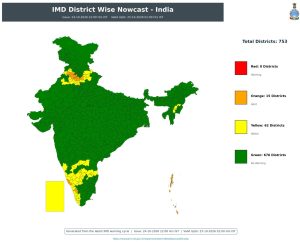
IMD Orange Alert: 5 Regions at Risk is the key weather warning as the India Meteorological Department (IMD) has issued an orange alert for thunderstorms, lightning, gusty winds and moderate to intense rainfall across parts of the Andaman and Nicobar Islands, Haryana, Kerala, Punjab and Uttar Pradesh. Wind speeds may reach 40–60 kmph in the affected areas.
The IMD Orange Alert: 5 Regions at Risk warning means residents should remain alert, follow official weather updates and take precautions against sudden changes in weather. Conditions can vary by district, so people should check local forecasts before travelling or carrying out outdoor activities.
IMD Orange Alert: 5 Regions at Risk — Areas Covered
The reported IMD Orange Alert: 5 Regions at Risk covers parts of five regions. The alert does not necessarily mean every district in these regions will experience the same conditions. People should check the precise location and validity period mentioned in the latest official bulletin.
| Region | Possible Weather Conditions |
|---|---|
| Andaman and Nicobar Islands | Thunderstorms and rainfall |
| Haryana | Thunderstorms, lightning and gusty winds |
| Kerala | Rainfall and possible thunderstorms |
| Punjab | Thunderstorms and gusty winds |
| Uttar Pradesh | Lightning, thunderstorms and rainfall |
This table summarises the five regions named in the reported alert. It should not be treated as a district-by-district forecast. For the exact districts, timing and duration, consult the latest India Meteorological Department weather bulletin.
What Does an IMD Orange Alert Mean?
An orange alert generally signals that people should be prepared and remain alert to potentially severe weather. Thunderstorms, lightning, strong winds and heavy rainfall can disrupt travel, outdoor work and normal daily activities.
In the case of IMD Orange Alert: 5 Regions at Risk, residents should pay attention to official instructions rather than relying only on social media messages. The exact risk depends on local weather conditions and the period specified in the bulletin.
For official disaster preparedness guidance, readers can visit the National Disaster Management Authority (NDMA) website.
40–60 kmph Winds: How Strong Can They Be?

The reported alert mentions gusty winds reaching 40–60 kilometres per hour. Such winds can make outdoor conditions unsafe, especially when combined with thunderstorms, lightning or heavy rainfall.
During strong gusts, loose objects may be displaced and tree branches may fall. People should secure loose items where safe to do so, stay away from damaged structures and avoid standing near trees, poles or temporary outdoor installations during a storm.
IMD Orange Alert: 5 Regions at Risk — Lightning Safety Tips
Lightning can strike even when rainfall at a particular location is not continuous. During the IMD Orange Alert: 5 Regions at Risk, people should take thunderstorms seriously and move to a safe shelter when they hear thunder.
- Move indoors or into a fully enclosed vehicle when a thunderstorm approaches.
- Avoid open fields, rooftops, isolated trees and exposed hilltops during lightning.
- Stay away from water bodies and avoid swimming during thunderstorms.
- Do not shelter under trees during lightning or strong winds.
- Unplug sensitive electrical equipment if it is safe to do so, and avoid using wired electrical devices during a storm.
- Follow local authorities’ instructions and avoid unnecessary travel in dangerous conditions.
More safety information is available through the NDMA Sachet disaster alert portal. Check official sources for local warnings and emergency instructions.
Rainfall Risks and Travel Precautions
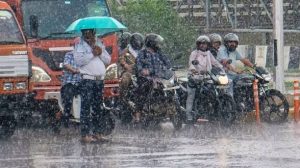
Moderate to intense rainfall can reduce visibility, make roads slippery and cause waterlogging in vulnerable areas. Localised flooding may occur where drainage is poor or rainfall is intense. Conditions can change quickly during thunderstorms.
People in the regions mentioned in the IMD Orange Alert: 5 Regions at Risk report should check weather conditions before travelling. Motorists should slow down in heavy rain, avoid flooded roads and never attempt to cross flowing floodwater.
Residents should also keep mobile phones charged, store essential items safely and monitor local administration updates. Farmers, outdoor workers and event organisers should check the latest forecast before continuing weather-sensitive activities.
How to Check the Latest Official Weather Update
Weather alerts can change as new observations and forecasts become available. Readers should confirm the alert’s date, validity period and affected districts before sharing information or making travel decisions.
- IMD official website — forecasts and weather bulletins.
- India Meteorological Department — official department information.
- Sachet portal — disaster-related alerts and public warnings.
- NDMA website — disaster preparedness and safety guidance.
IMD Orange Alert: 5 Regions at Risk — What Should Residents Do?
The most important step during the IMD Orange Alert: 5 Regions at Risk is to remain informed and follow local official advice. Avoid unnecessary outdoor activity during thunderstorms, take shelter when lightning is nearby and stay away from areas affected by flooding or fallen electrical lines.
Do not touch fallen power lines or approach damaged electrical equipment. Report hazards to the relevant local authorities or electricity department. In an emergency, contact the appropriate local emergency service.
Residents should remember that the weather may differ between neighbouring districts. An orange alert for a region does not automatically mean every location will experience severe conditions at the same time.
Related News from DeshPrism
- Odisha Janasunani: 95% Success and Questions Raised
- India’s Economic Growth Outlook
- Trump’s 100% Tariff on India: Latest Developments
Conclusion
IMD Orange Alert: 5 Regions at Risk highlights the need for caution in parts of the Andaman and Nicobar Islands, Haryana, Kerala, Punjab and Uttar Pradesh, where thunderstorms, lightning, gusty winds of 40–60 kmph and moderate to intense rainfall have been reported in the alert.
People should follow the latest IMD bulletins, check local district advisories and avoid unsafe outdoor locations during thunderstorms. For accurate updates, rely on official weather and disaster-management sources rather than unverified social media posts.
Note: Weather forecasts and alerts can change. Check the latest official IMD bulletin for the alert’s issue date, validity period and affected districts.